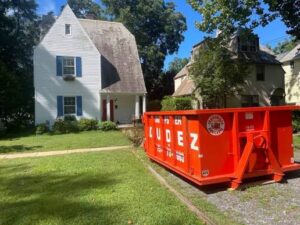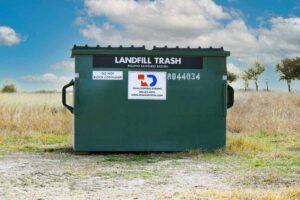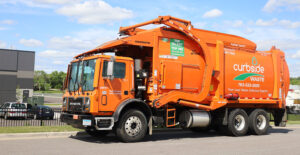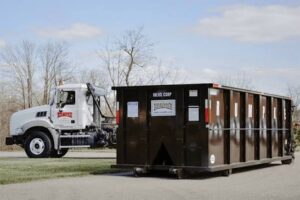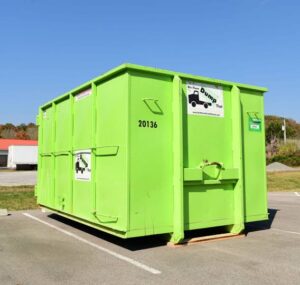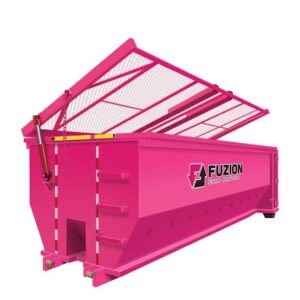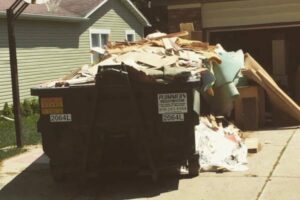
Demolition is often the first major step in transforming an outdated or damaged property into something new. Whether a contractor is removing an old garage, taking down an interior wall, clearing a damaged structure, or preparing land for new construction, demolition can produce significant amounts of debris. Dumpster services provide an organized way to collect approved waste and keep the worksite manageable throughout the project.
Handling Large Amounts of Demolition Debris
Demolition work produces different types of waste, including broken wood, drywall, roofing materials, metal pieces, concrete, bricks, and damaged fixtures. These materials can quickly occupy valuable space around a construction site.
A properly selected dumpster provides a central collection point for accepted debris. Workers can remove materials as the demolition progresses rather than allowing piles of waste to interfere with equipment and other activities. This makes cleanup more systematic and helps maintain an organized work environment.
Supporting Residential Demolition
Residential demolition projects can include removing sheds, detached garages, old decks, damaged fences, and unwanted interior structures. Even small demolition jobs may generate bulky materials that are difficult to transport using ordinary vehicles.
Renting a dumpster gives homeowners and contractors a practical way to manage these materials. The container should be selected according to the project’s size, expected debris volume, and weight requirements.
Managing Commercial Demolition Waste
Commercial demolition projects often involve larger buildings and more complex waste management requirements. Removing office partitions, outdated retail interiors, warehouse fixtures, or damaged building sections can generate substantial quantities of debris.
Dumpster services help commercial contractors organize waste collection and coordinate removal with different stages of the demolition process. Larger projects may require multiple containers or scheduled exchanges to maintain sufficient disposal capacity.
Selecting Containers for Heavy Materials
Not all demolition waste has the same weight. Materials such as concrete, bricks, roofing shingles, and soil can become extremely heavy even when they do not fill an entire dumpster.
Before renting a container, contractors should explain which materials will be removed. Rental providers can identify suitable options and clarify weight limits. Using a container designed for the expected debris helps reduce the risk of overloading and additional disposal charges.
Maintaining a Safer Demolition Site
Demolition sites contain many potential hazards, including sharp metal, broken glass, loose wood, and unstable materials. Keeping debris in designated collection areas can reduce clutter and make it easier for workers to move around safely.
The dumpster should be placed where loading is convenient without blocking machinery, emergency access, or essential walkways. Workers should also wear suitable protective equipment and follow established demolition safety procedures.
Following Environmental and Disposal Regulations
Some older buildings contain materials that require special attention during demolition. Asbestos, lead-containing materials, chemicals, and certain insulation products may need professional assessment and regulated removal.
These materials should never be placed in an ordinary dumpster without proper authorization. Contractors should identify potentially hazardous materials before demolition begins and arrange specialized handling when necessary.
Recyclable materials such as clean metal, untreated wood, and certain construction products may also be separated for appropriate recycling facilities.
Coordinating Dumpster Delivery and Pickup
A successful demolition project requires careful coordination between workers, equipment operators, and waste collection providers. The dumpster should arrive before major removal activities begin so debris can be collected immediately.
For longer projects, contractors may need regular pickup appointments or container exchanges. Scheduling these services in advance helps prevent overflowing containers and unnecessary interruptions.
Controlling Project Cleanup Costs
Waste disposal is an important part of a demolition budget. Rental expenses may depend on container size, rental duration, disposal weight, material type, and transportation requirements.
Contractors can manage costs more effectively by estimating the debris volume before booking and confirming all applicable charges. Understanding weight restrictions and prohibited materials also helps avoid unexpected expenses.
Preparing the Site for New Construction
Once demolition is complete, the property must be cleared before excavation, foundation work, or new construction can begin. Removing unwanted debris creates a more accessible site for contractors and allows the next stage of development to proceed.
Dumpster services make this cleanup process more organized by providing suitable collection space for approved demolition materials. With careful planning, appropriate containers, and responsible disposal practices, property owners and contractors can prepare their sites for future improvements efficiently.